Transforming education in Guatemala

Guatemala's education sector plan for 2020-2024 aims to ensure that children, adolescents and youth - especially those from indigenous background and living in rural areas -have access to quality education and appropriate distance learning environments post COVID-19. The strategy aims to overcome three main challenges:

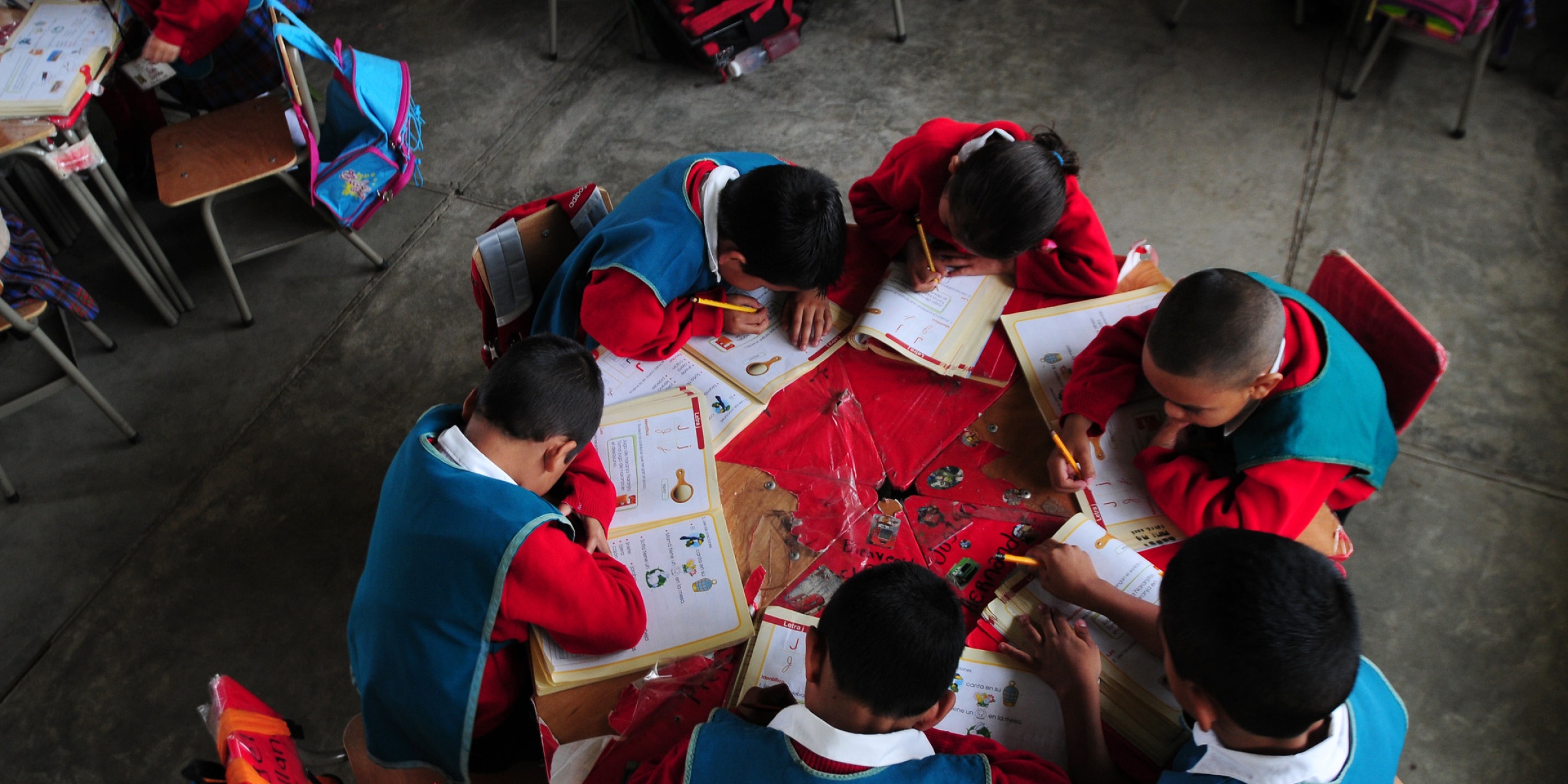
  • Children with low cognitive development: There is plenty of evidence that an adequate cognitive development in children during the early years is key to ensure they are ready for school. In Guatemala, the low cognitive development is attributed to malnutrition, violence and low academic performance in communication and language. The strategy aims to ensure children have access to trained early learning teachers and certified community educators along with interventions focused on improving the low academic performance.
  • Education services are not adapted to the new global and national environments particularly because of the expansion in technology as well as the consequences of the COVID-19 pandemic in the education sector. The strategy will focus on updating the national curriculum, improving teachers' competencies in technology, and improving the resilience of schools to COVID-19 and other crises.
  • Vulnerability among children and adolescents: Migration flows - both national and international - are a key challenge that interrupts both education continuity and the ability of students to complete school in Guatemala. Additionally, there is a big digital gap among these students, which limit their opportunities to learn in hybrid or virtual environments. The strategy focuses on providing these students with alternative education pathways to ensure they finish school.

Result story

Digital learning opens doors for Guatemalan youth, one click at a time

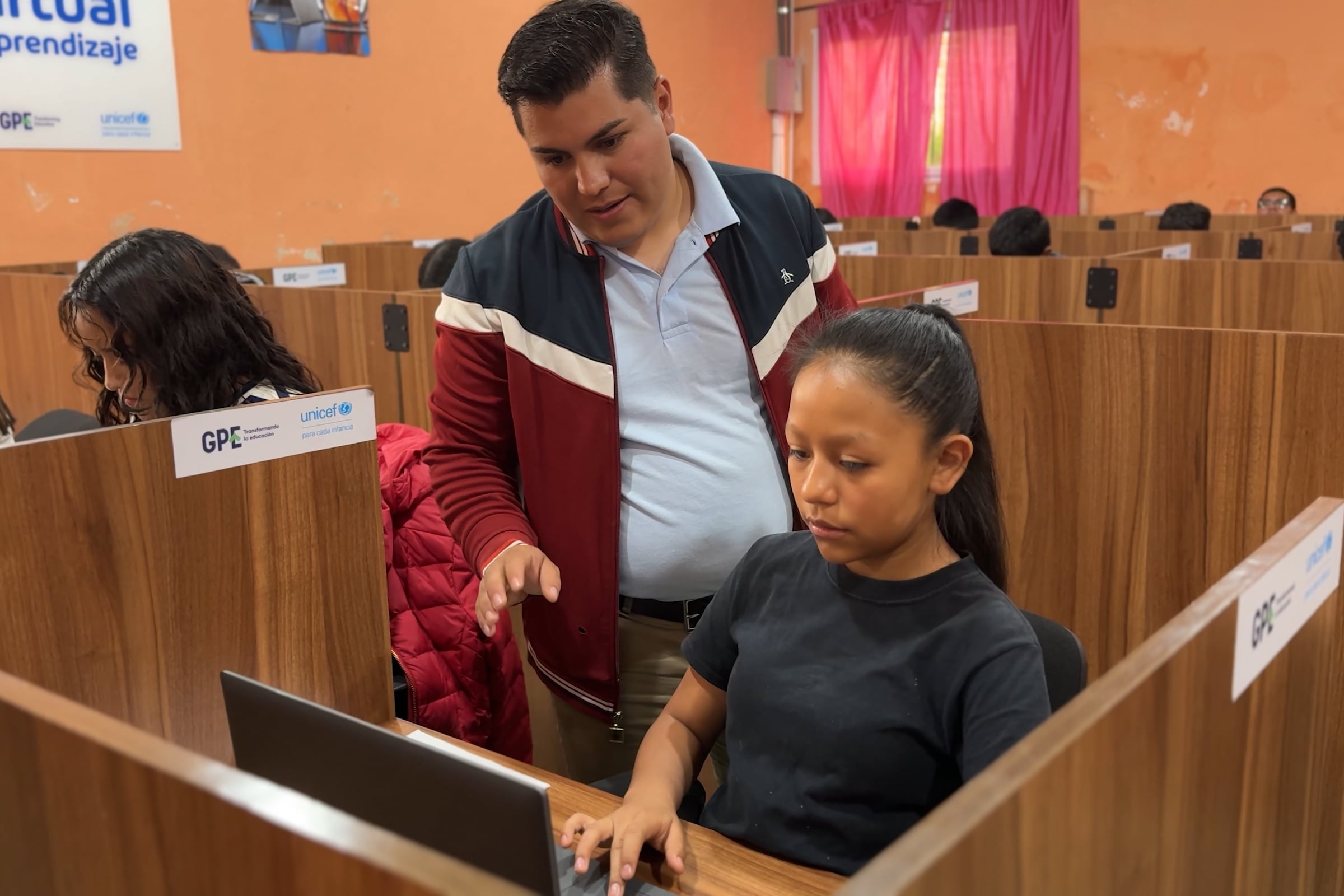
  • In Huehuetenango, where education access is low and many adolescents and youth see migration as their only path, digital learning centers are equipping students like Meybelin with the skills to build a future at home.
  • With support from the Ministry of Education, GPE, UNICEF and local municipalities, 34 Virtual Learning Environments are offering technology, tutoring and digital skills training in underserved communities across Guatemala.
  • By building digital skills and exposing youth to technology in a safe environment, Virtual Learning Environments are opening new pathways for future economic opportunities – and helping rewrite the story for children who once saw their futures far from home.

Key data

85%

of children start learning one year before entering primary school

27%

of government expenditure on education

Grants

(data as of October 08, 2025)

 
  • Type: Multiplier

    Years: 2022 - 2026

    Allocation: US$10,000,000

    Utilization: US$4,029,190

    Grant agent: UNICEF

  • Type: Sector plan development

    Years: 2021 - 2025

    Allocation: US$700,000

    Utilization: US$402,157

    Grant agent: UNICEF

Latest blogs and news

August 29, 2025
Guatemala: Planting the seeds of reading
Over 50% of Guatemalan students in grades 3 and 6 struggle with reading—now a new Ministry of Education strategy is sparking change in classrooms.